CIPP lining uses a resin-saturated felt or fiberglass tube inverted into existing pipes and cured with steam or hot water to form a new structural pipe inside the old one. In Jefferson County homes built before 1950, especially in Old Louisville and Germantown, cast-iron and clay lines often have offset joints and root intrusion that require thorough pre-lining cleaning and sometimes point repairs first. Hot summers here accelerate resin cure times while mild winters allow year-round work, though high groundwater near the Ohio River can complicate inversion in low-lying spots like Portland and Butchertown.
Technicians must account for pipe diameter changes and multiple bends common in The Highlands and Clifton laterals. Epoxy or vinyl ester resins are selected based on chemical exposure from household waste and local soil acidity. Failure to address active leaks or voids before lining can lead to liner collapse, so camera verification after cleaning is mandatory. Crews working near Cave Hill Cemetery or Shawnee often encounter deeper mains that require longer cure cycles and larger access pits.
Jefferson County codes require post-installation pressure testing and video documentation before backfill or restoration. Homeowners in St. Matthews and Crescent Hill frequently request CIPP on 4-inch and 6-inch laterals where excavation would damage mature landscaping or brick patios. The process avoids street cuts near Churchill Downs and Louisville Waterfront Park but still needs traffic control when working in Downtown alleys.
Technician insight
In Louisville the thing that catches most people out with CIPP Lining is the heavy clay soils mixed with river silt in Butchertown and Portland that hold groundwater longer than expected. This slows curing and can push the liner if we don’t dewater properly before inversion. Homeowners also underestimate how many 90-degree bends exist in pre-1940 laterals around Germantown, which forces us to pull shorter sections instead of one continuous liner.
Germantown Lateral Rehabilitation
A 4-inch clay lateral serving a 1920s home in Germantown showed repeated backups after heavy rain. Camera work revealed multiple root-filled joints and a partial collapse 35 feet from the cleanout. We cleaned the line, installed a 4-inch CIPP liner through the existing bends, and verified flow with a final camera pass. The homeowner avoided digging through the brick patio and driveway.
CIPP Lining Services We Offer
✓Residential Lateral CIPP Lining
Restores 4-inch and 6-inch sewer laterals from house to main without yard excavation in neighborhoods such as The Highlands and Clifton.
✓Main Line Sewer Rehabilitation
Applies CIPP to 8-inch and larger municipal-style mains serving older blocks in Germantown and Butchertown where open trench work disrupts traffic.
✓Root Intrusion Pipe Lining
Lines pipes compromised by tree roots common near Cave Hill Cemetery and Shawnee while sealing against future intrusion.
✓Commercial Drain CIPP Lining
Rehabilitates larger-diameter drains in Downtown and St. Matthews businesses where excavation would interrupt operations.
✓CIPP Point Repair
Targets isolated defects in otherwise sound lines throughout Jefferson County without full-length lining.
CIPP Lining Cost in Louisville, KY
| Service | Typical Range | What Affects It |
|---|---|---|
| 4-inch Lateral CIPP (up to 50 ft) | $2,800–$4,500 | Price rises with bends, depth, or limited access in older Germantown and Old Louisville homes. |
| 6-inch Lateral CIPP (up to 60 ft) | $3,600–$5,800 | Common in The Highlands; tree root density and clay soil add preparation time. |
| Main Line CIPP (8-inch, per 50 ft) | $4,200–$7,500 | Varies by traffic control needs near Downtown or Waterfront Park. |
Ranges are typical for Louisville, KY and confirmed with an exact written quote before any work starts.
How it works
- 1
Camera Inspection
Technicians run a CCTV camera from cleanouts or manholes to map pipe condition, locate offsets, and confirm liner suitability in the specific Louisville neighborhood.
- 2
Pipe Cleaning And Preparation
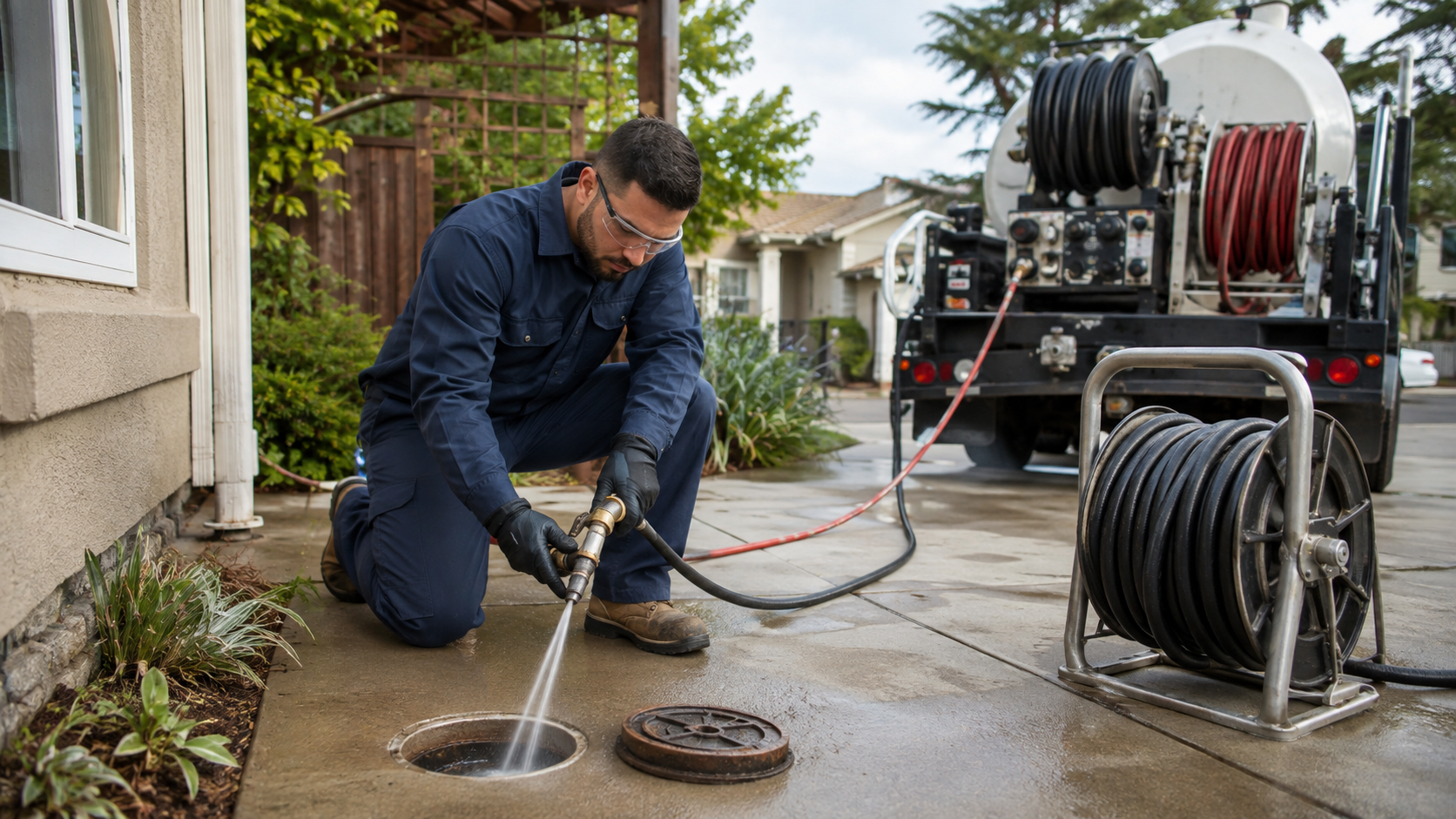
High-pressure jetting and root cutting remove debris and growth so the liner bonds directly to the host pipe wall.
- 3
Liner Inversion And Curing
The resin-impregnated tube is inverted into the pipe and cured with controlled heat, forming a seamless new pipe rated for decades of service.
- 4
Final Verification
Post-cure camera inspection and pressure test confirm flow and structural integrity before the crew restores access points.
Pricing
Cost depends on pipe length, diameter, access difficulty, and neighborhood location; most residential laterals fall in mid-range project pricing.